Module 11—Note-Taking Guide
The
Old West
The
Indian Wars Period
Conflicts Lead to
Indian Wars Period
•
The end of the Civil War
_____________________________________________ the Rockies
o
_____________________________________________
dominance challenged (Comanche, Kiowa, Blackfeet, Apache, Cheyenne, Arapaho, &
the Sioux Nations).
o
Migration before
_____________________________________________, governed effectively by treaties
o
_____________________________________________
of land to settlers
o
Railroads and Mining interests
_____________________________________________
•
_____________________________________________
of violence known as the Indian Wars.
o
Treaty violations
_____________________________________________ the peace
o
U.S. government’s Indian policy
changed—_______________________________________
_____________________________________________.
•
The US military
_____________________________________________
o
_____________________________________________
system
•
_____________________________________________
the treaties often
•
Many tribes saw the treaties as
__________________________________________ _______
o
_____________________________________________—confused role
•
_____________________________________________
disregarded treaties
•
Loss of power was not
_____________________________________________ so they lashed out against the
treaties
•
Raids led to
_____________________________________________ campaigns which led to…etc.
o
_____________________________________________—culture clash
o
Violence was
_____________________________________________
o
Food supply
_____________________________________________ tribal presence on the land
Key Figures of the
Indian Wars
•
Tribal Leaders had to
_____________________________________________
o
_____________________________________________—learned to use treaty system
o
Warfare was part of life for
most—_____________________________________________
•
___________________________________—rarely
sought to destroy enemy tribes
•
_____________________________________________—sought to end conflict and return
to peace
•
Produces some of the greatest native leaders
in American History:
o
Sioux (Lakota/Dakota):
_____________________________________________
o
Cheyenne:
_____________________________________________
o
Nez Perce:
_____________________________________________
o
Apache:
_____________________________________________
o
Comanche:
_____________________________________________
Key Events of the
Indian Wars
•
Any negative interactions led
_____________________________________________
o
_____________________________________________
land protected by treaties
o
Miners & prospectors
____________________________________ for gold & silver
o
_____________________________________________trains as worth the risk of
violating treaties
o
_____________________________________________
impossible for the tribal leaders & the US government
o
Tensions were so great that ANY excuse to
fight was used to start violence (_____________________________________________)
•
_____________________________________________…which was violence which led
to…etc.
•
Corruption within the US
_____________________________________________ outright treaty violations
o
Railroad interests
_____________________________________________
o
_____________________________________________,
livestock, & food for personal profit
o
Corruption
_____________________________________________ against rivals
•
Armed Conflicts of the Indian Wars
o
The Dakota Uprising
(_____________________________________________)
1.
__________________________________________
frustration on the Dakota agencies
2.
violent retaliation
_____________________________________________ border
3.
_____________________________________________—sentenced to hang (Lincoln
pardoned _____________________________________________ civilians)
o
Sand Creek Massacre
(_____________________________________________)
1.
Colorado Militia
_____________________________________________ Arapaho & Southern Cheyenne tribes
in Colorado
2.
Tribes had
_____________________________________________ & weakened their ability to defend
themselves—_____________________________________________
3.
_____________________________________________ Creek murdering hundreds
o
_____________________________________________
(March 17-June 26, 1876)
1.
_____________________________________________—consolidate behind leaders & leave
agencies/reservations
2.
In 1876,
_____________________________________________them back (Military Expedition into
_____________________________________________)—Powder River (March 17), Rosebud
(June 17), & Little Big Horn (June 25-26)
3.
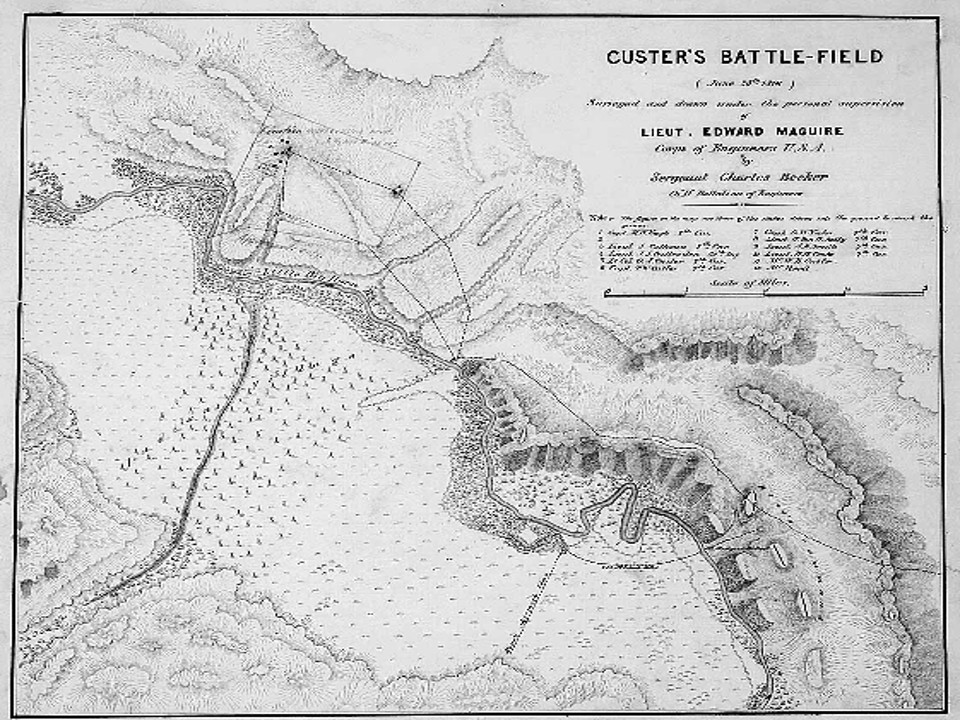
_____________________________________________—Lt. Col. George A. Custer’s
Cavalry (7th) is destroyed
4.
Tribes realize they can’t sustain total
war—____________________________________
Resistance Fades into
Reservation Life
•
Nez Percé War (1877)
o
_____________________________________________—gold miners entered tribal lands
o
_____________________________________________—Territory called for the US Army
o
Chief Joseph tried to lead them to
Canada—_____________________________________—“I will fight no more…” speech
•
Apache Wars (1850-1886)
o
were moved to a reservation in
Arizona—________________________________________
o
_____________________________________________—led raids on the Arizona-Mexico
border
o
Surrendered or captured by
1886—_____________________________________________.
•
Wounded Knee Massacre (December 29, 1890)
o
_____________________________________________to a camp at Wounded Knee Creek.
o
_______________________________________
“Ghost Dance” to bring the old ways back
o
_____________________________________________—300 men, women, & children killed.
o
_____________________________________________
Native American resistance.
•
In creating the reservations,
_____________________________________________ make them abandon their
traditional culture in favor of white American culture.
•
_____________________________________________far from children’s homes, and
forced them to speak English.
•
The Dawes Act (1887)
_____________________________________________land was usually sold to white
settlers.
Pratt and
Americanization
·
Richard Henry Pratt
o
_____________________________________________
officer
o
Wanted to
_____________________________________________
o
Set up a system of
_____________________________________________
o
Destroyed
_____________________________________________
o
Influences
_____________________________________________
·
Americanization
o
_____________________________________________
Cultures and Traditions
o
_____________________________________________
full citizenship
o
Federal policy
_____________________________________________ of land
o
Creates
_____________________________________________
o
In spite of all this
_____________________________________________